
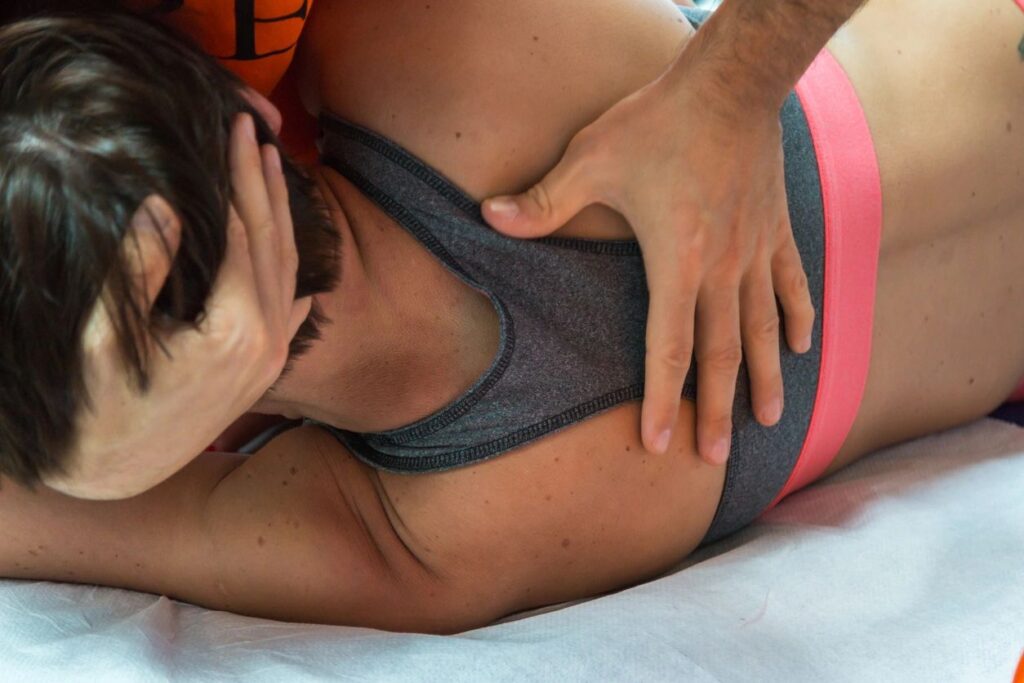
Healing After Surgery: Why Guided Physiotherapy Makes All the Difference
Recovering from surgery is not just about rest. It is a carefully managed process that determines how well your body regains strength, flexibility, and function. Whether you have undergone joint replacement, ligament repair, or any other surgical procedure, what happens after the operation is just as critical as the surgery itself.
Guided physiotherapy plays a vital role in helping patients heal safely, restore mobility, and return to their normal routines faster. It bridges the gap between surgery and full recovery by using science-based methods that target healing tissues, rebuild muscle control, and prevent complications.
At Prime Physio, we believe that recovery should be proactive, not passive. This article explores why guided physiotherapy is essential after surgery, how it supports both body and mind, and what makes professional supervision so important in every stage of healing.
Understanding Post-Surgical Healing
After surgery, the body begins an intricate process of repair. Inflammation sets in as tissues respond to trauma, and the affected area becomes sensitive and weak. Without proper movement and exercise, stiffness and scar tissue can form, which may delay recovery or reduce long-term function.
Physiotherapy works to counter these effects. It encourages healthy tissue remodeling, improves blood flow, and strengthens surrounding muscles. More importantly, it ensures that every movement you make supports healing rather than hinders it.
The Role of Guided Physiotherapy After Surgery
While rest is important in the first days after surgery, too much of it can lead to complications like joint stiffness, muscle loss, and poor circulation. Guided physiotherapy provides structured movement designed for your specific condition, ensuring that you recover in a balanced and safe way.
1. Pain and Swelling Management
Pain and swelling are normal after surgery, but they can make it difficult to move. Physiotherapists use gentle techniques such as manual therapy, controlled exercises, and sometimes therapeutic modalities to manage inflammation and reduce discomfort. Properly guided movement also promotes fluid drainage, easing swelling naturally.
2. Restoring Range of Motion
Surgery can limit flexibility and cause tightness in the affected area. Early physiotherapy helps maintain joint mobility before stiffness becomes permanent. Gradual stretching and mobility exercises keep tissues supple while protecting healing structures.
3. Strengthening Weak Muscles
Muscles around the surgical site often weaken during recovery. Guided exercises progressively rebuild strength and endurance. Physiotherapists carefully monitor your technique and adjust intensity over time to avoid strain or re-injury.
4. Re-Educating Movement Patterns
After surgery, your body may compensate for pain or weakness by moving differently. These compensations can lead to poor posture or future injuries. Physiotherapists use targeted movement training to help you relearn correct patterns and restore balance throughout your body.
5. Preventing Complications
Lack of movement can lead to blood clots, joint stiffness, or delayed healing. With guided therapy, you are safely encouraged to move early, which keeps blood flowing, muscles active, and recovery on track.
The Phases of Post-Surgical Physiotherapy
Physiotherapy after surgery typically follows several phases, each focused on specific healing goals.
Phase 1: Protection and Pain Control
In the first few days or weeks, the focus is on gentle movements and pain relief. Physiotherapists teach safe positions and light exercises to prevent stiffness and maintain circulation.
Phase 2: Mobility Restoration
As healing progresses, therapy shifts to improving flexibility and restoring range of motion. Manual therapy and guided stretching help tissues regain elasticity while protecting the surgical site.
Phase 3: Strength and Stability
When pain and swelling decrease, strengthening exercises begin. These target both the affected area and supporting muscles to enhance overall stability and balance.
Phase 4: Functional Recovery
The final stage involves functional training. This includes movements that mimic daily activities or job-related tasks. Physiotherapists ensure your body can handle normal demands safely and effectively.
The Science Behind Physiotherapy and Healing
Physiotherapy promotes recovery by enhancing the body’s natural healing mechanisms. Controlled movement stimulates circulation, delivering oxygen and nutrients to healing tissues. It also supports neuroplasticity, which helps the brain and muscles relearn how to move together efficiently after trauma.
In addition, exercise and manual therapy stimulate collagen alignment, allowing tissues to heal stronger and more flexible. This scientific approach minimizes the risk of re-injury and ensures better long-term outcomes.
The Mental and Emotional Benefits
Surgery can be emotionally draining. Many patients experience anxiety about pain, movement, or the fear of re-injury. Guided physiotherapy provides not only physical recovery but also emotional reassurance.
Working with a skilled physiotherapist helps build confidence as you witness steady progress. Regular sessions create a sense of accountability and motivation, turning the recovery process into a positive and empowering experience.
The Importance of Professional Guidance
While some patients may try to recover using online exercises or self-directed programs, guided physiotherapy ensures that every movement is appropriate for your specific stage of healing. Professional supervision prevents overexertion and helps you progress at a safe pace.
Physiotherapists continually evaluate your recovery and adjust treatment plans to match your progress. This personalized approach ensures you receive the right combination of exercises, manual therapy, and education to achieve the best results.
Common Surgeries That Benefit from Physiotherapy
Physiotherapy is a vital part of recovery for many types of surgeries, including:
- Joint replacements (knee, hip, shoulder)
- ACL or ligament repairs
- Back or spinal surgeries
- Rotator cuff repair
- Fracture repairs
- Arthroscopic procedures
- Abdominal and cardiac surgeries
Each type of surgery requires different movements and recovery goals, making personalized physiotherapy even more essential.
Long-Term Benefits of Guided Recovery
The benefits of post-surgical physiotherapy go far beyond the recovery period. Patients who participate in guided therapy often experience:
- Faster healing and return to activity
- Better flexibility and joint function
- Reduced pain and stiffness
- Fewer complications or re-injuries
- Greater confidence and independence
Most importantly, physiotherapy teaches lifelong habits for maintaining mobility and preventing future issues.
Reclaiming Strength and Confidence After Surgery
Healing after surgery is not simply about letting time pass. It is about actively supporting your body’s recovery through movement, strength, and awareness. Guided physiotherapy provides the structure, safety, and motivation you need to achieve full recovery.
At Prime Physio, our experienced team tailors each program to your unique surgery, condition, and goals. We combine hands-on care with expert guidance to help you regain your strength and mobility safely.
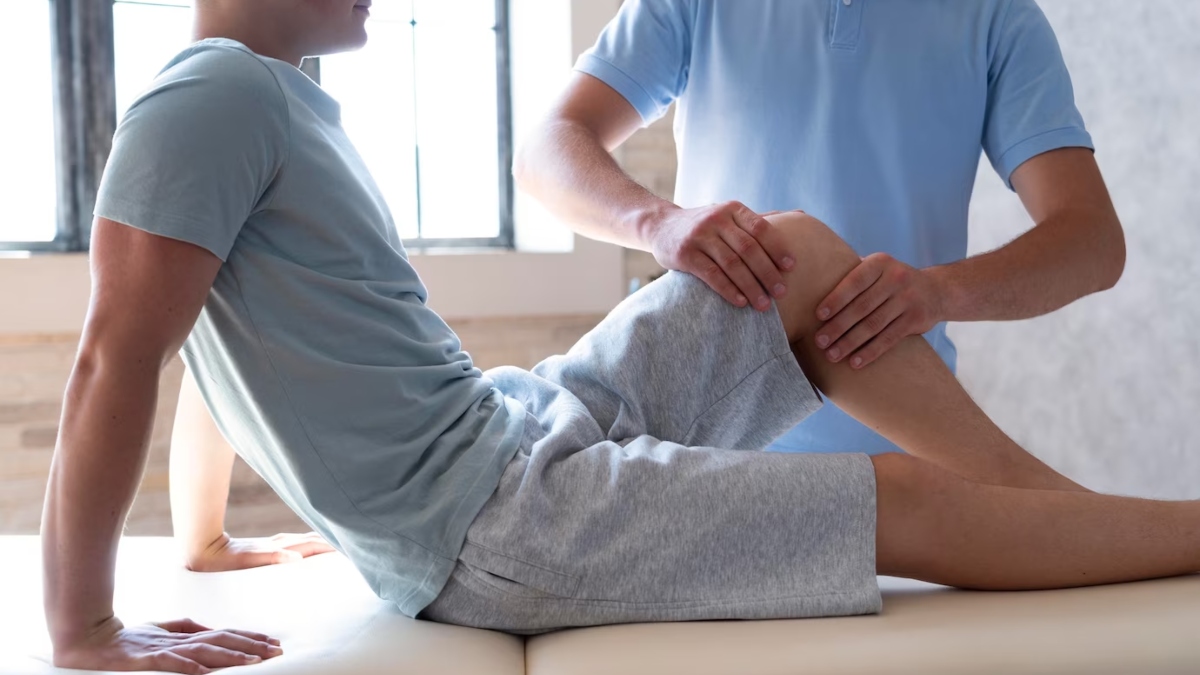
Take the First Step Toward Complete Recovery
Do not let surgery hold you back longer than it should. With guided physiotherapy, you can heal stronger, move better, and return to the activities you love.
Contact Prime Physio today to start your post-surgical recovery journey.
Tel: (343) 353-1788
Email: info@omniphyzio.ca
Your recovery deserves expert care and support. Let Prime Physio help you move forward with confidence, comfort, and strength.