
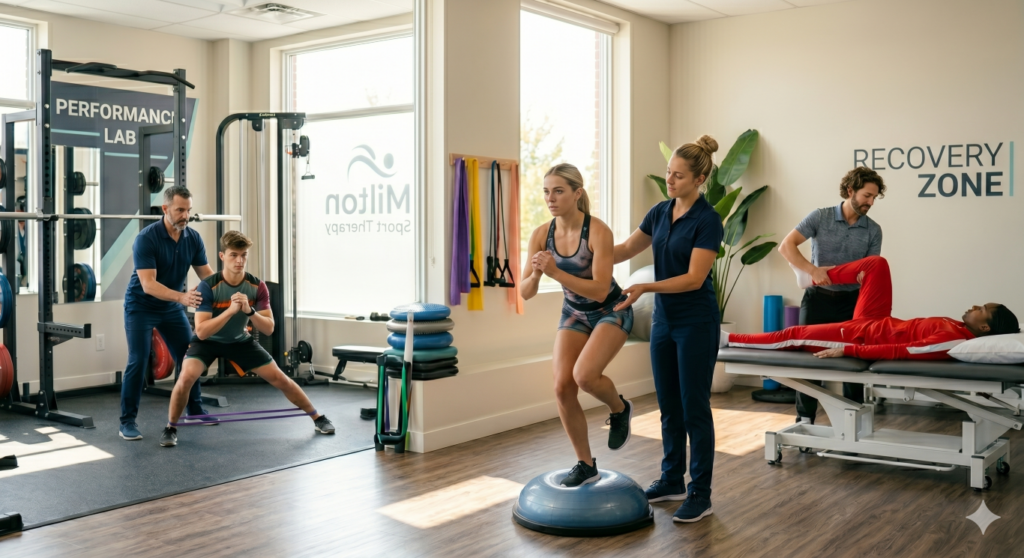
As someone who works closely with people who live active lives, I have seen how sport therapy plays a critical role in keeping the body strong, resilient, and ready to perform. Sport therapy is not only for professional athletes. It is for anyone who enjoys movement, whether through organized sports, fitness routines, or physically demanding work. At Omni Phyzio, sport therapy focuses on helping the body move efficiently, prevent injuries, and recover faster when setbacks happen.
Sport therapy begins with understanding how the body moves during activity. Every sport and physical routine places unique demands on muscles, joints, and connective tissues. Repetitive motions, sudden changes in direction, and high impact movements can gradually stress the body. Over time, these stresses may lead to pain, reduced performance, or injury. Sport therapy addresses these risks by identifying movement patterns that need support or correction.
Injury prevention is one of the strongest benefits of sport therapy. Many injuries do not happen suddenly. They develop slowly due to muscle imbalances, limited mobility, or poor movement mechanics. Through assessment and targeted treatment, sport therapy helps reduce these risks. I focus on improving strength, flexibility, coordination, and control so the body can handle physical demands safely and efficiently.
Performance improvement is another important part of sport therapy. When the body moves well, performance naturally improves. Sport therapy helps enhance power, endurance, balance, and agility. These improvements come from personalized exercises and hands on techniques that support proper movement. As performance increases, confidence grows as well, allowing people to train and compete with greater ease.
Recovery is where sport therapy truly shines. After an injury or intense physical effort, the body needs the right support to heal properly. Without proper recovery, people may return to activity too soon or with lingering limitations. Sport therapy promotes faster and safer recovery by reducing pain, restoring mobility, and rebuilding strength in a controlled and progressive way. This approach helps prevent re injury and long term issues.
Sport therapy is especially valuable for individuals returning to activity after injury. The transition back to movement can feel uncertain and frustrating. Through guided rehabilitation, sport therapy helps rebuild trust in the body. Each stage of recovery is carefully planned to match the individual’s goals and current abilities. This gradual progression supports both physical and mental readiness.
Another key aspect of sport therapy is education. Understanding how the body responds to training and recovery empowers people to make better choices. I take time to explain why certain movements matter and how to protect the body during activity. This knowledge helps people stay active and healthy long after their therapy sessions end.
Sport therapy also supports long term joint health. Healthy joints depend on strong muscles, proper alignment, and good mobility. When joints are supported correctly, movement becomes smoother and more efficient. Sport therapy helps maintain joint integrity while reducing unnecessary strain. This is especially important for people who participate in high impact or repetitive activities.
Flexibility and mobility are essential for both performance and injury prevention. Tight muscles and restricted movement can limit performance and increase injury risk. Sport therapy addresses these issues through targeted stretching, mobility work, and manual techniques. Improving flexibility allows the body to move freely and respond better to physical challenges.
Mental resilience is often overlooked in physical recovery, yet it plays a major role. Injuries can affect motivation, confidence, and emotional well being. Sport therapy provides structure and encouragement throughout the recovery process. Seeing progress over time helps rebuild confidence and motivation, making it easier to stay committed to rehabilitation and training.
Sport therapy is highly adaptable. It supports people of all ages and activity levels. Whether someone is training for competition, returning to exercise after time off, or simply wanting to move without pain, sport therapy meets them where they are. Treatment plans are always personalized, recognizing that no two bodies or goals are the same.
At Omni Phyzio, sport therapy is integrated with other physiotherapy services to provide comprehensive care. This integrated approach ensures that pain management, movement improvement, and performance goals are addressed together. By focusing on the whole body, sport therapy supports lasting results rather than temporary relief.
Consistency is key in sport therapy. Regular sessions and guided exercises help maintain progress and prevent setbacks. Over time, the body becomes stronger, more balanced, and better prepared for physical demands. This consistency allows people to stay active and enjoy movement with fewer interruptions.
In my experience, sport therapy is about more than recovery. It is about building a body that feels capable and confident. It helps people reconnect with movement in a positive way. Whether the goal is injury prevention, better performance, or faster recovery, sport therapy offers a supportive and effective path forward.
As January begins, it is an ideal time to focus on physical health and movement goals. Sport therapy provides the tools needed to start the year strong and stay active throughout the seasons ahead. With proper guidance and care, the body can move better, perform better, and recover more effectively.

Call to action
If you want to prevent injuries, improve performance, or recover faster from physical setbacks, sport therapy at Omni Phyzio can help. Call 343-585-5300 or email info@omniphyzio.ca to book your assessment and start your personalized sport therapy journey today.