
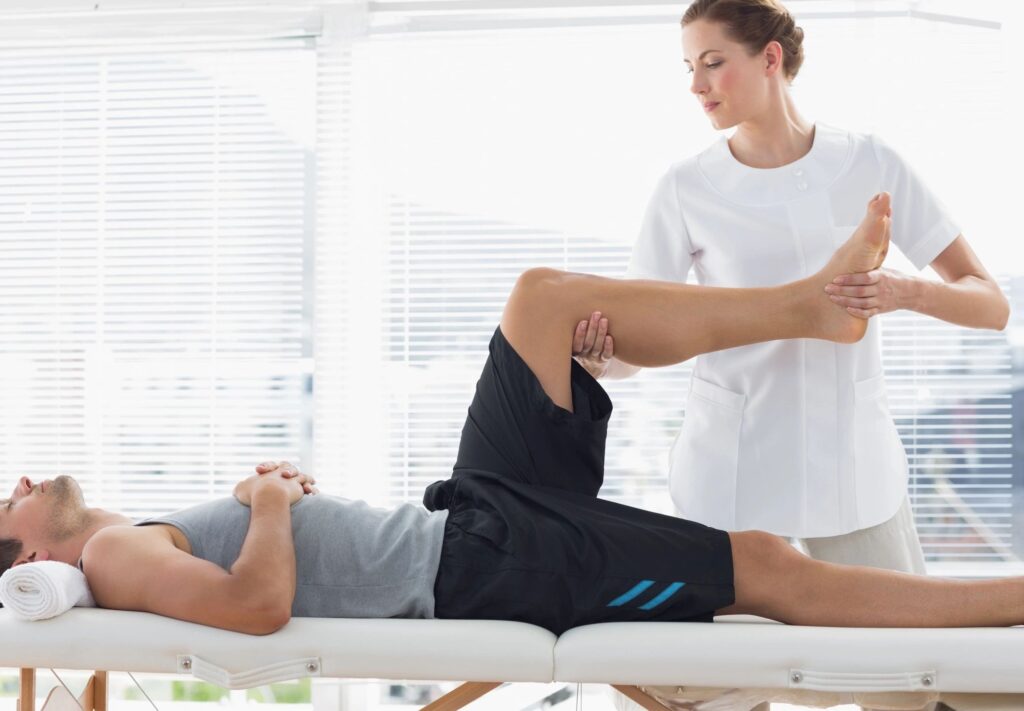
I have worked with countless clients who underestimate how much posture affects their daily life. Poor posture can lead to pain, stiffness, and even long-term physical problems if left unaddressed. At Prime Physio, I help clients understand the importance of posture and guide them with physiotherapy techniques to correct imbalances, strengthen muscles, and improve overall function.
In this blog, I want to explain why posture matters, the consequences of poor posture, and how physiotherapy can make a real difference in helping you move comfortably and confidently every day.
Why Posture Is More Important Than You Think
Posture is not just about standing up straight or looking confident. It affects how your muscles, joints, and spine function. I often see clients who experience back, neck, shoulder, or hip pain that can be traced back to poor posture. Proper posture helps:
- Reduce strain on muscles and joints
- Maintain balance and coordination
- Improve breathing and circulation
- Prevent long-term injuries and chronic pain
When your body is aligned correctly, it can move efficiently, absorb stress, and support your daily activities with less effort.
Common Consequences of Poor Posture
Poor posture develops gradually and often goes unnoticed until discomfort appears. In my experience, common issues caused by poor posture include:
- Neck and Shoulder Pain: Slouching or hunching forward can strain neck and shoulder muscles.
- Back Discomfort: Prolonged sitting or improper lifting can lead to tension in the lower back.
- Reduced Flexibility and Mobility: Muscles and joints may stiffen due to constant strain or improper alignment.
- Headaches and Fatigue: Tension in the upper back and neck can contribute to frequent headaches and fatigue.
- Increased Risk of Injury: Imbalances make certain movements more likely to cause injury over time.
Addressing posture early prevents these problems and supports long-term physical health.
How Physiotherapy Improves Posture
Physiotherapy is an effective way to correct posture by addressing both muscular strength and movement habits. I focus on a comprehensive approach that includes:
1. Assessment of Posture and Alignment
During your first session, I evaluate your standing, sitting, and movement patterns to identify areas of weakness or imbalance. This allows me to understand how your posture affects your body and design a treatment plan specific to your needs.
2. Strengthening Weak Muscles
Poor posture often results from weak muscles, particularly in the core, back, and shoulders. I provide exercises to build strength and support proper alignment, reducing strain and improving stability.
3. Stretching Tight Muscles
Tight muscles, such as those in the chest, neck, or hamstrings, can pull your body out of alignment. I guide clients through stretches that release tension and restore flexibility, making it easier to maintain good posture throughout the day.
4. Education and Awareness
I teach clients how to recognize poor posture and adjust their daily habits. Awareness is key to lasting change. Simple adjustments while sitting, standing, or lifting can prevent unnecessary strain.
5. Manual Therapy Techniques
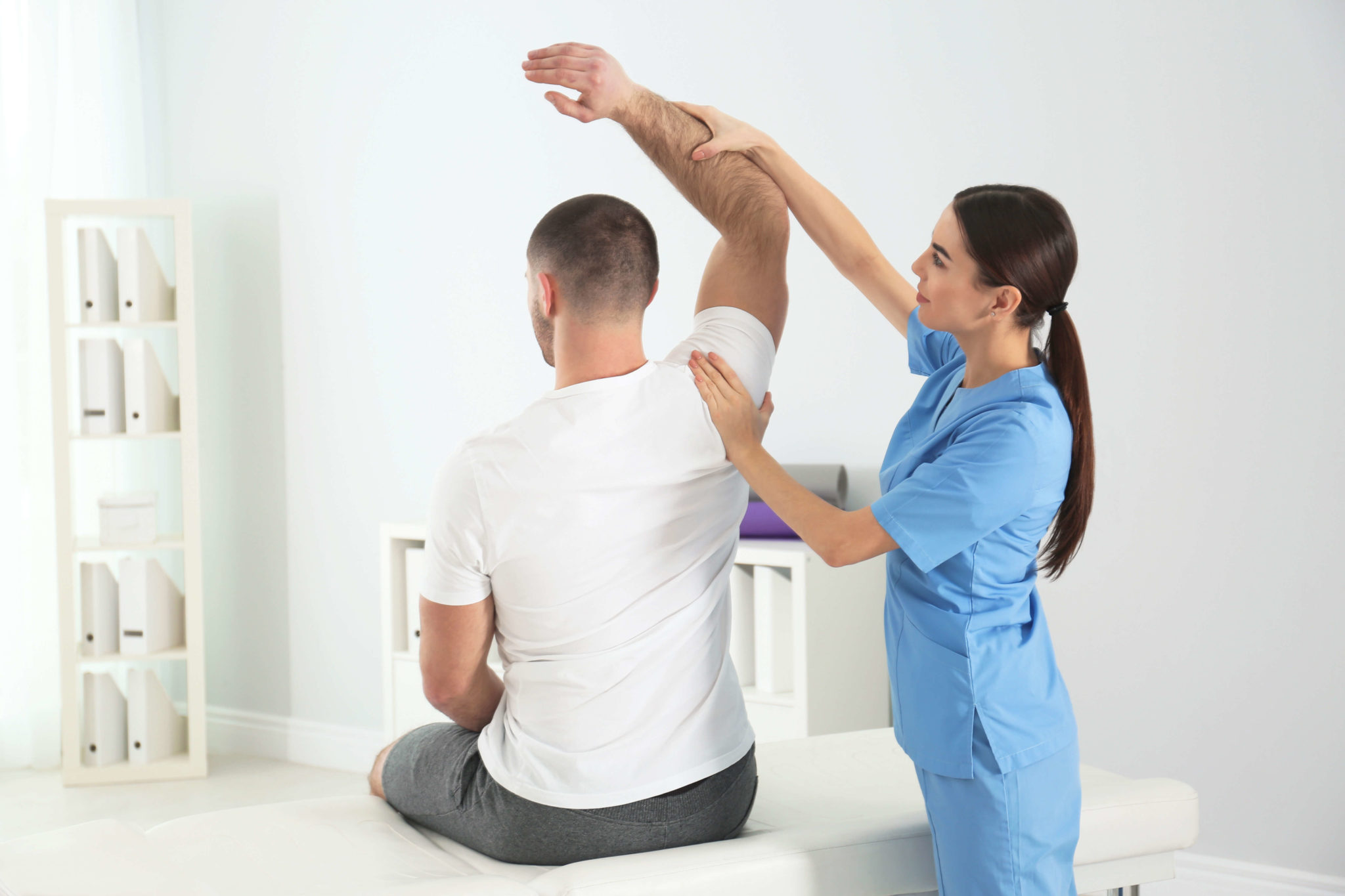
Hands-on techniques help release tension, improve joint mobility, and restore natural alignment. Manual therapy complements exercises by creating immediate relief and improving functional movement.
Benefits of Correcting Posture Through Physiotherapy
Clients who engage in physiotherapy to improve posture notice multiple benefits, including:
- Reduced Pain and Discomfort: Tension in the back, neck, and shoulders decreases.
- Improved Mobility and Flexibility: Better alignment allows joints and muscles to move efficiently.
- Enhanced Performance: Daily activities and sports become easier and safer.
- Increased Energy and Focus: Less strain on muscles leads to reduced fatigue.
- Long-Term Injury Prevention: Correct posture lowers the risk of chronic pain and injuries.
In my experience, the combination of exercises, manual therapy, and posture education leads to lasting improvements that extend well beyond the physiotherapy sessions.
Practical Tips for Maintaining Good Posture
Even with professional guidance, maintaining posture requires daily attention. I recommend:
- Check Your Sitting Position: Keep your back straight, shoulders relaxed, and feet flat on the floor.
- Take Frequent Breaks: Stand, stretch, and walk around every 30 to 60 minutes if you have a desk job.
- Strengthen Core Muscles: Regular core exercises support your spine and improve stability.
- Be Mindful of Technology Use: Keep phones and computers at eye level to reduce forward head posture.
- Practice Stretching and Mobility Exercises: Target tight areas that pull your body out of alignment.
Consistency with these habits helps reinforce the benefits of physiotherapy and maintains long-term posture improvements.
Who Can Benefit from Posture-Focused Physiotherapy
I provide posture-focused physiotherapy to clients of all ages and activity levels, including those who:
- Sit for long hours at work or school
- Experience back, neck, or shoulder pain
- Have had injuries affecting alignment
- Want to improve athletic performance
- Seek long-term mobility and comfort
Correcting posture is not just for those in pain. It is a preventive strategy that supports overall physical health and function.
Serving Ottawa and Surrounding Areas
At Prime Physio, I offer professional physiotherapy services in Orleans, Downtown Ottawa, Bells Corners, and surrounding areas. Each program is tailored to individual needs, focusing on posture correction, pain relief, and long-term mobility. My goal is to help every client move confidently and enjoy daily activities without discomfort.
Call to Action
Posture plays a critical role in pain prevention, mobility, and overall well-being. Physiotherapy can improve alignment, reduce discomfort, and enhance your ability to perform daily tasks and activities safely.
To schedule a consultation or begin a posture-focused physiotherapy program, contact Prime Physio today.
Phone: 343-585-5300
Email: info@omniphyzio.ca
Investing in your posture today ensures better movement, reduced strain, and long-term physical health for years to come.