
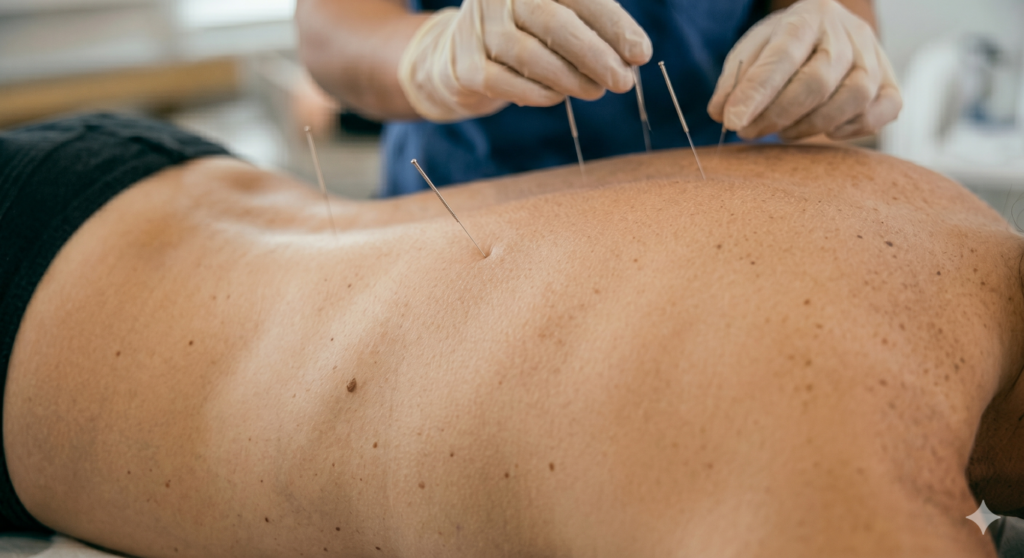
Pain and limited mobility can slowly take over everyday life. I see it often in people who come in feeling frustrated because simple movements no longer feel easy or comfortable. Dry needling and acupuncture are two powerful treatment options that I regularly use to help restore movement, ease pain, and support long term recovery. While they use similar tools, their purpose and approach can differ, and understanding how they work can help you feel more confident about choosing the right care.
Dry needling focuses on releasing tight muscle knots known as trigger points. These trigger points can develop from overuse, poor posture, stress, or injury. When muscles stay tight for long periods, they restrict blood flow and limit how the muscle moves. This can lead to pain that radiates to other areas of the body. Dry needling works by inserting a very thin needle directly into the trigger point to create a controlled response. This response helps the muscle relax, improves circulation, and reduces pain.
Acupuncture takes a broader and more holistic approach. While it also uses fine needles, the goal is to support the body’s natural balance and healing processes. Acupuncture is often used to help regulate pain, improve energy flow, and address both physical and emotional stress. Many people experience a deep sense of relaxation during acupuncture sessions, which can support overall well being in addition to pain relief.
One of the biggest benefits of both dry needling and acupuncture is how they address pain at its source. Rather than masking symptoms, these techniques work directly with the nervous system and soft tissues. When the body receives this targeted stimulation, it can reset pain signals and allow muscles and joints to move more freely. Over time, this leads to better function and less reliance on medication.
Mobility improvement is another key benefit. Tight muscles can limit joint range and affect posture and movement patterns. I often see clients who feel stiff in the neck, shoulders, hips, or lower back. After treatment, movement feels smoother and less restricted. This improved mobility supports better posture, reduced strain on joints, and a lower risk of future injury.
Dry needling and acupuncture are especially helpful for chronic pain conditions. Long term pain often involves complex patterns within the muscles and nervous system. These techniques can calm overactive pain pathways and help the body relearn healthier movement patterns. Conditions such as persistent back pain, neck tension, headaches, and joint discomfort often respond well when these therapies are part of a comprehensive treatment plan.
For active individuals and athletes, these treatments can support performance and recovery. Muscle tightness and minor strains can build up with repetitive activity. Dry needling helps release tension quickly, allowing muscles to recover more efficiently. Acupuncture can support overall recovery by reducing inflammation and promoting relaxation, which is essential for consistent training and injury prevention.
Another important aspect is how these treatments work alongside physiotherapy and manual therapy. They are not standalone solutions, but powerful tools within a broader plan of care. When combined with exercise, education, and hands on treatment, dry needling and acupuncture enhance the results. They prepare the body to move better and respond more effectively to strengthening and mobility exercises.
Many people feel nervous about needles at first, which is completely understandable. The needles used are extremely thin and most clients are surprised by how comfortable the experience is. Some feel a brief sensation during dry needling as the muscle releases, followed by a feeling of relief. Acupuncture sessions are often described as calming and restorative.
Recovery after treatment is usually smooth. Mild soreness can occur, similar to how muscles feel after exercise, but this typically fades quickly. Staying hydrated and continuing gentle movement helps the body respond positively. I always tailor each session to the individual, ensuring the treatment matches their comfort level and goals.
What I value most about dry needling and acupuncture is how they empower people to reconnect with their bodies. Pain often creates fear around movement. As pain decreases and mobility improves, confidence returns. Everyday activities such as walking, working, exercising, or simply relaxing become more enjoyable again.
Every person’s experience with pain is unique, which is why personalized care matters. Whether pain comes from injury, repetitive strain, stress, or surgery recovery, these techniques can be adapted to support healing. The goal is not just short term relief but lasting improvement in how the body moves and feels.
If pain or stiffness has been limiting your quality of life, exploring dry needling or acupuncture may be the step that helps you move forward. These treatments offer a safe, effective, and evidence informed way to reduce pain and restore mobility, allowing you to return to the activities that matter most to you.
If you are ready to explore dry needling or acupuncture for pain relief and improved mobility, I invite you to book an assessment today. Call 343-585-5300 or email info@omniphyzio.ca to start your journey toward better movement and a more comfortable everyday life.